Translating the Vision: Demystifying the Basis of Design (BOD)
If the Owner’s Project Requirements (OPR) document is the project's North Star, the Basis of Design (BOD) is the detailed map that gets you there. It translates the owner's high-level vision into the specific, technical solutions that engineers and architects will use to actually build the facility. Without a rigorous BOD, a project risks drifting away from its performance goals during the frantic pace of detailed engineering.
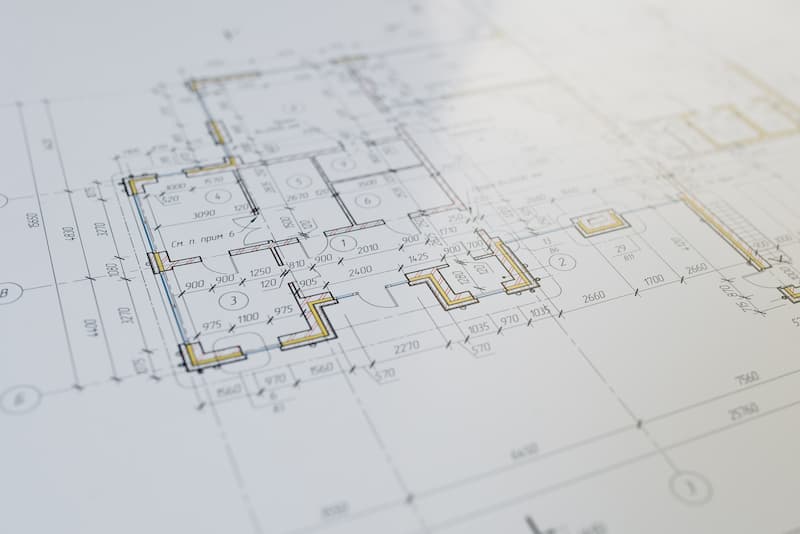
What Exactly is a BOD?
The BOD is a comprehensive technical document developed by the design team to justify and outline the engineering logic behind their system selections. While the owner defines the 'what' and 'why' in the OPR, the design team uses the BOD to outline the 'how.' It establishes a unified baseline of technical assumptions so that civil, mechanical, electrical, and structural disciplines stay perfectly synchronized.
Core Components of a BOD
• Design Assumptions & Ambient Conditions - Documents site-specific limitations including local climate data, outdoor design temperatures, wind loads, and seismic zoning.
• System Descriptions & Selection Narrative - Explains the chosen architectural, envelope, and MEP configurations—detailing the exact parameters for efficiency, reliability, and lifecycle costs.
• Governing Codes and Compliance Standards - Lists the applicable building codes, energy requirements (such as ASHRAE), and green rating systems like USGBC LEED that govern the project criteria.
• Sequences of Operations (SoO) - Outlines the control strategies and programming logic that building management systems will use to run HVAC and electrical infrastructure safely.
The BOD Lifecycle Process
Schematic Design (0-30%): Initial drafting to map early concepts to the approved OPR items.
Design Development (30-60%): Integrating load calculations, cross-discipline coordinates, and system choices.
CxA Conformance Review: The Commissioning Authority evaluates the draft against the OPR to verify intent compliance.
Continuous Refinement (60-100%): Updating the document alongside design modifications to keep it live through construction preparation.
Pro Tip:
A weak BOD reads like an equipment schedule or product submittal list. A strong BOD tells a narrative story—explaining *why* a particular chiller setup was chosen to hit the owner's EUI goals and *how* it will cycle during low-load hours.
Keep your OPR and BOD seamlessly aligned.
BECx Go gives engineering and commissioning teams the ultimate toolkit to manage change tracking, automate document workflows, and verify performance data seamlessly on the move.
Streamline Cx at becxgo.com

Latest



Made and hosted with in the U.S.A.
Join the newsletter
Subscribe for promos, product updates, & more. No spam ever!